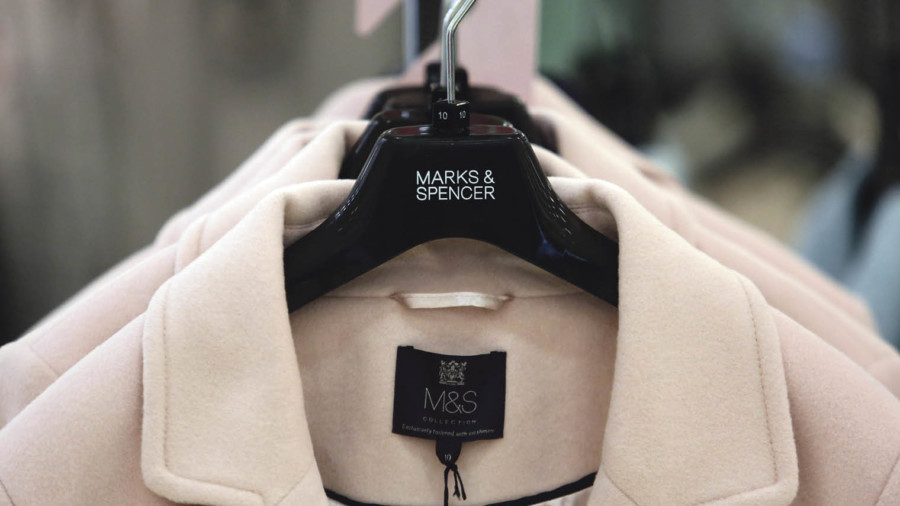
Marks & Spencer recently appointed Hollywood actor Gillian Anderson to be it’s first-ever chief compliments officer. Perhaps the news sparked a conversation about The X-Files, or maybe you just thought it was a fun PR stunt, a touch of much-needed levity amidst the heavy news that’s hitting headlines at the moment. Whatever the case, it’s easy to write off the move as charming, but inconsequential, to anyone not involved in M&S. However, if you work in retail or hospitality, the High Street giant’s decision deserves a closer look.
In recent years, M&S has been getting creative. In 2024, the retail behemoth upped their social media spend by 80% and bet big on TikTok. This was supported by the launch of zeitgeisty food products designed to go viral, including chocolate bars, loaded cookies, and, more recently, red velvet hot cross buns. The retailer also brought in new talent to shake up its fashion offering, which they now showcase heavily on social media, with huge success.
While the TikTokification of a marketing strategy is not innovative for a burgeoning brand with a young customer base, for an established store whose customers have traditionally skewed older, going social-first went against the grain.
It pays to be bold
Tapping Gillian Anderson to be their chief compliments officer is just the latest example in M&S’ series of bold bets, and it’s paid off. It’s helped the retail stalwart refresh its image, win over a younger cohort of customers who now lust after the brand’s must-have bags and snacks, and become a more efficient and resilient business, all whilst retaining its core customer base.
The retailer is now track to recoup the financial losses it suffered following the devastating cyberattack they suffered last spring. It’s a success story that should serve as both a lesson about the power of creativity, one that extends beyond marketing and is pertinent to the whole business. It’s a glimmer of hope for British brands currently buffeted by rising energy costs and taxing business rates, who are seeing their footfall drop, and are highly conscious that their customers have less to spend.
Be human on social media
Already in 2026, some retailers have felt the effects of this storm, confirming that they are permanently lowering the shutters on some of their stores. Now, new workers’ rights, while beneficial, are adding further pressure to brick-and-mortar businesses.
Holding M&S up as an example is by no means an attempt to diminish the challenging circumstances in which retail and hospitality brands find themselves. Nor am I proposing that creativity is all it will take to save the High Street. But out-of-the-box thinking, innovation and adaptability can help move the dial in the right direction. So where can retail and hospitality brands start?
Firstly, by throwing out (some) of the old. “That’s the way we’ve always done things.” “That’s always been our target market.” Wanting to stick to what you know is understandable, and companies of course shouldn’t throw out what makes them unique or ditch staple products, but they shouldn’t shy away from evolving. There’s a reason Topshop didn’t come back as it existed in its heyday in its recent relaunch. Staying the same would lead to history repeating itself. Take a leaf out of M&S’s book and consider where fresh approaches would be beneficial within the business.
Next, be human on social media. You don’t have to throw out all your brand guidelines, but if you can drop the corporate jargon and get involved in viral conversations that tie in well with your brand, you will stand out from the crowd. Even better if you can seed your own viral moments à la M&S.
Time to get creative
Brands should also get creative about how they improve customer experience. The recent friction-maxxing and analogue trends are driving people to shop more in person, creating an opportunity for retailers who offer an exceptional in-store experience to pull in a new wave of in-person shoppers (and recapture former ones) who keep returning long after the trend dies down.
To make the most of this opportunity, you could introduce tech that allows you to offer more personalised recommendations to customers at the till point, or reduces the time managers spend on admin so they can be more present on the shop floor. Or perhaps you could get even more creative with your pop-up events and in-store displays?
Finally, find new, creative ways to tackle long-existing challenges. For example, you could leverage new workforce staffing tech to better staff your stores in line with customer traffic, or embrace AI tools to test marketing ideas quickly so you can jump on trends as soon as they emerge.
Creativity alone won’t save the High Street. But M&S’s latest hire is a reminder that it can make a huge difference. Retailers who think outside the box, innovate and change with the times stand a higher chance of sailing through the protracted storm they’re currently weathering. In fact, they might emerge from it stronger than ever.
Elena Bersadschi, chief marketing officer at Rotageek, a workforce management platform.
Marks & Spencer recently appointed Hollywood actor Gillian Anderson to be it's first-ever chief compliments officer. Perhaps the news sparked a conversation about The X-Files, or maybe you just thought it was a fun PR stunt, a touch of much-needed levity amidst the heavy news that’s hitting headlines at the moment. Whatever the case, it’s easy to write off the move as charming, but inconsequential, to anyone not involved in M&S. However, if you work in retail or hospitality, the High Street giant’s decision deserves a closer look.
In recent years, M&S has been getting creative. In 2024, the retail behemoth upped their social media spend by 80% and bet big on TikTok. This was supported by the launch of zeitgeisty food products designed to go viral, including chocolate bars, loaded cookies, and, more recently, red velvet hot cross buns. The retailer also brought in new talent to shake up its fashion offering, which they now showcase heavily on social media, with huge success.
While the TikTokification of a marketing strategy is not innovative for a burgeoning brand with a young customer base, for an established store whose customers have traditionally skewed older, going social-first went against the grain.