For most organisations, hiring decisions and employee evaluations revolve around skills, experience and individual achievements. However, as businesses search for ways to drive better productivity and employee engagement, many are turning towards something more fundamental: the behaviours that drive how individuals think, communicate and collaborate.
Understanding these dynamics can be a key differentiator for successful teams, allowing them to tailor management approaches to get the best out of team members. In a world where five generations now work together and employees are bombarded by constant change, a one-size-fits-all approach to leadership no longer works.
Leaders need to take a more deliberate approach to managing behavioural differences
Matthew Poepsel is vice president of talent optimisation at The Predictive Index. He believes that leaders need to take a more prescriptive and deliberate approach to managing behavioural differences in the workplace.
“When you think about the complexity of business today, very rarely are any major initiatives or value creation in companies down to a single person. Invariably, it is a team, or teams of teams, working together collaboratively to solve business challenges,” he says.
“This inevitably invites two things – competing goals and competing styles. Add in complex changes in the workplace like hybrid work and the rise of AI adoption, and the environment is not conducive to great working relationships,” he adds.
Working styles differ
For Poepsel, the first step in adapting to this new need for behavioural insights is self-awareness. Managers need to be aware of their own behavioural styles and that their team members may have different approaches. Just because you are a fast thinker doesn’t mean that everyone on your team is comfortable running forward without a plan.

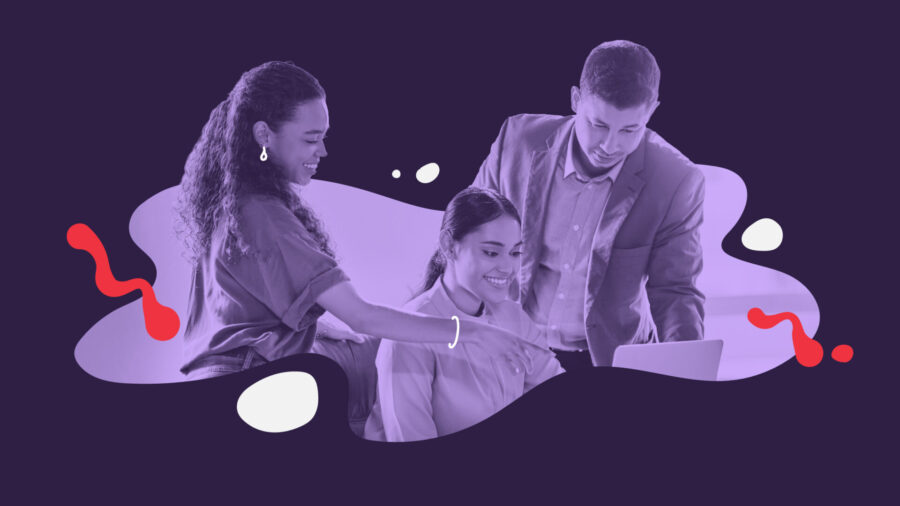
He gives the example of his own marketing team within The Predictive Index. Each individual has their own capabilities and interests, with corresponding behavioural profiles being a natural fit for different areas of work. One person might be a creative thinker, driving innovation and new ideas. Another might be process-driven and methodical, preferring to document actions. Yet another might be more emotionally attuned to the needs of individual team members. Finding the right combination of behaviours and acknowledging where each is strong is what makes teams successful.
“A manager’s job is to create the conditions for their team to succeed, but it is almost impossible to guess and use subjective means to understand people and their drivers. That’s where assessments like The Predictive Index can help organisations to understand and decipher complex team dynamics,” says Poepsel.
The Predictive Index’s software allows leaders and their team members to take short behavioural assessments to better understand their preferred working style, uncovering team strengths and weaknesses. Not only does this help improve individual self-awareness, but it also encourages employees to reconsider how they work together as a team.
Of course, conflict in the working environment naturally occurs, regardless of how well you understand your people’s motivations and behaviours. However, using behavioural profiles allows managers to better understand why such conflict arises and deal with it in a way that both supports employees and de-escalates disagreements.
Very rarely are any major initiatives or value creation in companies down to a single person
“People show up predictably. Once we understand their drivers, their behaviour becomes predictable. When there is a difference of style and competing goals, understanding why this is happening and our own roles makes it easier to find a solution. It depressurises the situation,” says Poepsel.
It’s also important to acknowledge the importance of disagreements and different personality types in helping organisations to drive innovation. Sometimes friction is necessary to challenge existing orthodoxy and deliver change.
“We have to understand, appreciate and celebrate our differences,” says Poepsel.
“If we all had the same personality type and tried to do something complex in today’s working world, it would be a disaster. We’d have groupthink. You need a balance of opinions in teams to succeed in a complex business world,” he adds.
Training, tools, technology
So what practical steps can businesses take to build better working teams through behavioural insights? Poepsel advocates a three-step approach.
The first step is providing managers with training that demonstrates the importance of understanding their own working style and those of their teams.
“If we can train managers to get the people part right – showcasing behavioural differences and raising self-awareness around adapting styles, then that is ideal,” says Poepsel.

However, time constraints and work pressure means that in-person training isn’t always possible. This is where tools like The Predictive Index’s behavioural reports can provide vital insights and a shorthand on how to interact with different personalities.
“The aim of our behavioural reports is to demystify individual behaviours. It allows you to understand an individual’s preferred way of working and how they like to be managed,” says Poepsel.
Further reports can provide extra intelligence, such as team dynamic reports that show strengths and weaknesses, or relationship guides that identify potential areas of friction before a project begins. The more information a manager is armed with, the better able they are to predict, manage and resolve conflict, increasing team cohesion and improving productivity.
The final – and most transformative – tool is technology. Artificial intelligence has the potential to revolutionise team dynamics and provide real-time coaching. From proactive coaching based on individual personalities to AI-driven role-playing, new technology can offer tailored insights to boost empathy, feedback quality and productivity.
“Technology provides instantaneous guidance, allowing people to interact based on their preferred style so it resonates most effectively,” adds Poepsel.
Too often, team productivity and employee engagement wane in the face of friction caused by poor communication and rigid managerial styles. By understanding individual motivations, working styles and tailoring approaches, organisations can provide an environment that allows both individuals and teams to thrive.
To find out more, visit predictiveindex.com
For most organisations, hiring decisions and employee evaluations revolve around skills, experience and individual achievements. However, as businesses search for ways to drive better productivity and employee engagement, many are turning towards something more fundamental: the behaviours that drive how individuals think, communicate and collaborate.
Understanding these dynamics can be a key differentiator for successful teams, allowing them to tailor management approaches to get the best out of team members. In a world where five generations now work together and employees are bombarded by constant change, a one-size-fits-all approach to leadership no longer works.
Leaders need to take a more deliberate approach to managing behavioural differences