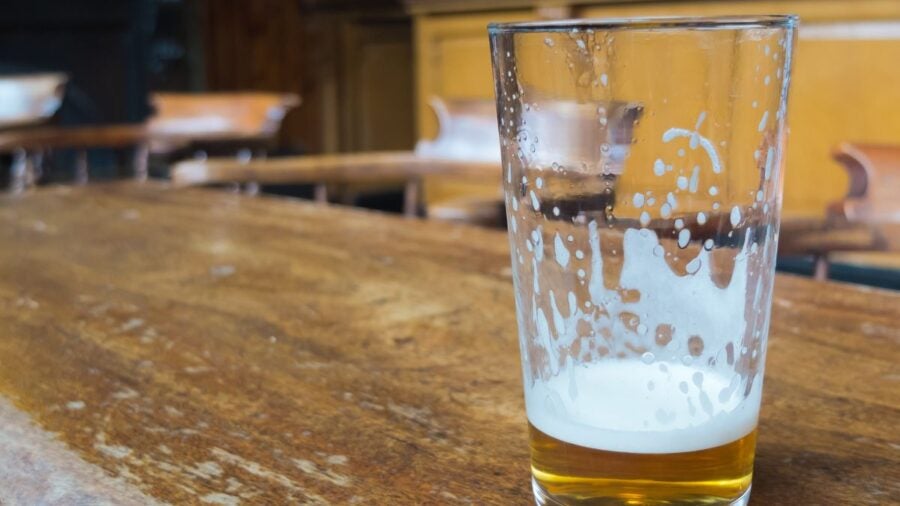
UK chancellor Rachel Reeves has sought to head off a growing Labour backlash by pledging to reverse planned business rates increases for pubs in England.
The move follows weeks of lobbying by pub owners and MPs opposed to changes introduced in the chancellor’s Autumn budget. At the time, Reeves said she would scale back business rate discounts introduced during the pandemic from 75% to 40%, before ending them entirely from April. This, combined with significant increases in the official property values used to calculate business rates, meant pub owners were set to face average bill rises of 76% over three years, according to data from UKHospitality, an industry trade body.
Landlords, pub owners and lobby groups have been fiercely critical of the proposed tax hikes, with some pubs reportedly banning Labour MPs from their premises in protest.
The government is expected to announced a climb down on business rates rises for pubs in the coming days. The U-turn has been greeted with relief by markets: shares in UK pub chains rose following reports of the reversal, with Mitchells & Butlers up 3.5%, JD Wetherspoon gaining 2.5% and Marston’s rising 4.4%.
Reeves is finalising a broader support package, including measures to tackle licensing rules, opening hours, and regulatory burdens. While some are viewing the proposals with cautious optimism, they also emphasise that more far-reaching reforms are still needed.
Cautious optimism
The government’s apparent softening on business rates is welcome but overdue, says Praveen Gupta, head of tax at Azets, a UK accounting firm. “This U-turn offers a much needed lifeline to the UK’s struggling pub sector, but it is too early to celebrate as we are yet to see the full details. So far the lifelines that have been thrown to the hospitality sector have proved to be too little too late at best, and actively detrimental at worst.”
Later hours don’t automatically mean better margins
Pubs with higher rateable values – typically larger venues or those in prime locations – are facing especially high pressure. Their business rates are much higher, making it harder to manage costs and stay profitable. Rising wages, higher taxation and energy costs are colliding at once, creating what Gupta describes as a “perfect storm” of unsustainable overheads.
To calculate a pub’s business rate bill the rateable value of its premises is multiplied by a set figure, called the multiplier. The government had already offered some relief by reducing the multiplier for pubs, and may be about to reduce it further.
“Reducing the multiplier is a step in the right direction, but without addressing the remaining underlying cost pressure, the burdens on our British pubs continue to add up,” Gupta says. “For many publicans, this isn’t just about a token fix to their bottom line; it is a fight for survival against a business rates system that has felt increasingly punitive.”
New reforms: a lifeline or a liability?
The government is expected to provide further support for pubs through reforms, most notably, proposals to liberalise licensing laws and extend trading hours. On paper, longer opening hours appear an easy win. In practice, operators warn they may introduce fresh risks.
“Later hours don’t automatically mean better margins,” says Dan Maimone, head of global customer experience at Harri, a hospitality workforce management platform. “The proposed liberalisation of the UK’s licensing laws has been billed as a win for growth, but for operators, it’s a high-risk balancing act.”
Extending hours without changing how pubs staff forecast demand and manage labour can quickly turn opportunity into liability. “Stretching staff hours on low sales volumes doesn’t build growth, it can erode it,” says Maimone. “Extending trading hours without re-engineering labour models, sales forecasting and team scheduling can quickly turn a boost into a cost sink.”
Strategic challenges persist
Many of the problems facing pubs are due to shifting consumer behaviour. Pubs now close earlier not because they lack permission to trade, but because footfall simply doesn’t justify staying open. In 2025, an average of one pub per day shut permanently across England and Wales, with 366 pubs demolished or converted to other uses over the year, according to data analysed by tax specialists at Ryan.
For Maimone, licensing reform should not be mistaken for a relief package. Instead, he believes it presents a strategic challenge that only the most operationally sophisticated businesses will be able to navigate. “Getting this right means using real-time data to align sales demand with labour deployment, protect team wellbeing and maintain profitability across longer shifts. This isn’t a relief package – it’s a strategic challenge.”
The government U–turn on business rates is a lifeline for the struggling pub sector
Labour is also expected to propose tighter drink-drive limits, dealing another blow to pub landlords already grappling with steep tax rises, high energy costs and persistent inflation.
As pubs juggle structural tax pressures on one side and operational complexity on the other, there is a risk that government measures designed to support hospitality merely shift responsibility without easing the burden. Business rates reform that lacks scale, and growth initiatives that ignore cost realities, may do little to prevent further closures.
Meanwhile, questions have already been raised about why only pubs have been targeted for assistance. High street retailers, pharmacies and music venues are urging Reeves to extend support to the wider hospitality sector, warning that relief limited to pubs alone risks leaving other vital community businesses behind.
UK chancellor Rachel Reeves has sought to head off a growing Labour backlash by pledging to reverse planned business rates increases for pubs in England.
The move follows weeks of lobbying by pub owners and MPs opposed to changes introduced in the chancellor's Autumn budget. At the time, Reeves said she would scale back business rate discounts introduced during the pandemic from 75% to 40%, before ending them entirely from April. This, combined with significant increases in the official property values used to calculate business rates, meant pub owners were set to face average bill rises of 76% over three years, according to data from UKHospitality, an industry trade body.
Landlords, pub owners and lobby groups have been fiercely critical of the proposed tax hikes, with some pubs reportedly banning Labour MPs from their premises in protest.