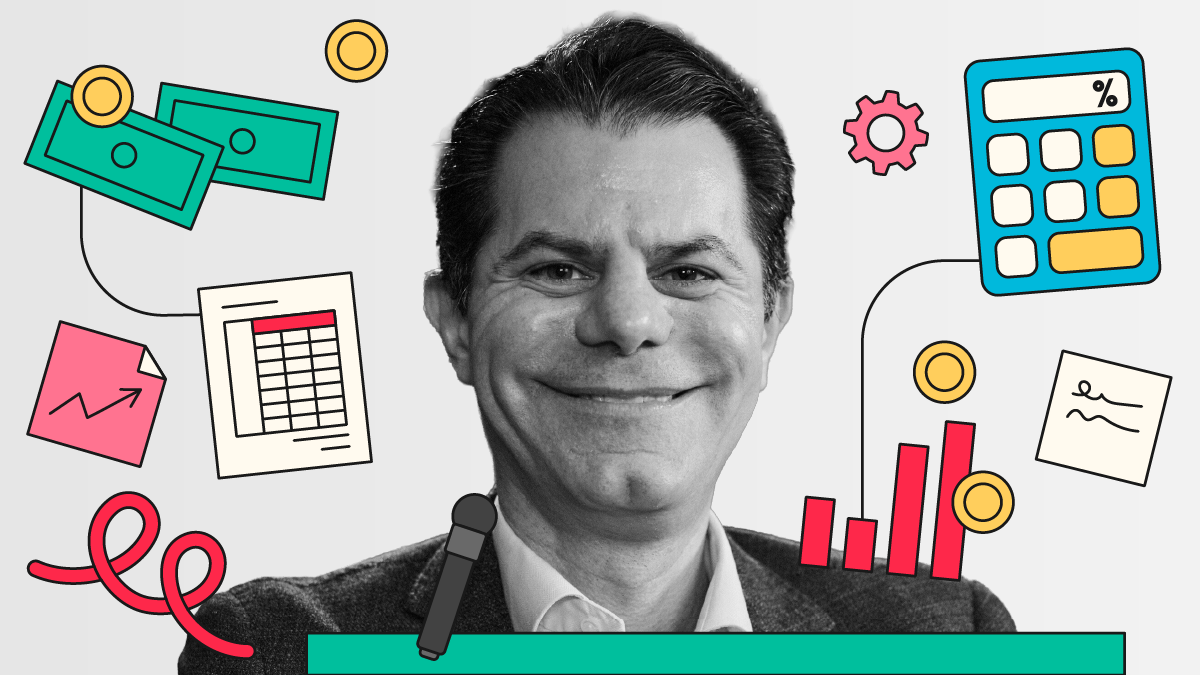
Payscale provides compensation data and software that help organisations benchmark pay, manage merit increases, and make workforce decisions. As CFO, Philip Watson leads the finance function and also oversees IT and information security.
Watson believes compensation should not be treated as an HR decision alone. For most companies, compensation is their largest expense, making it an important financial decision as well.
Recent Payscale research, based primarily on North American organizations, found that 61% of respondents connect compensation strategy to financial performance and budgets, while only 50% prioritize labor market data when making pay decisions.
During our conversation, Watson shared why finance and HR should work together on compensation strategy, how reliable market data improves decision-making, and the career lessons that helped him become a CFO.
How did you become a CFO?
I originally thought I would become a doctor, but my first chemistry lab changed my mind. I had always been interested in business, economics, and how money moves, so I studied economics and began my career in investment banking.
After business school, I wanted to combine finance with business operations. I joined a software company as an FP&A analyst and worked my way up, trying to make myself indispensable to the people around me.
I later spent nearly eight years at ZoomInfo, where I helped the company go public. I took my first CFO position in 2022 and eventually joined Payscale after former colleagues invited me to help bring together a team that had worked together before. That experience showed me how much relationships matter throughout a career.
Why should CFOs be more involved in compensation strategy?
Compensation is the largest expense, or investment, for most companies. The idea that a CFO would not be involved is mind-boggling to me.
Finance and HR need to become involved earlier and work together. The conversation should not start out with finance saying raises can be 2% while HR says the market requires 3%. Both teams should begin with independent, verified data and then decide how it fits the company’s compensation philosophy and financial position.
Ultimately, both teams are trying to answer the same question: How can the company get the greatest value from the people it has and the people it needs to hire?
Does tying compensation to budgets instead of labor market data create a gap?
A gap between the company’s budget and the market is not automatically good or bad. The important thing is understanding that the gap exists and making a deliberate decision about it.
Market data may show that pay should increase by 5%, while the company’s financial position makes that difficult. The company may decide to pay less, match the market, or pay more. Any of those choices can be valid, but leaders cannot make an informed decision without reliable data.
What challenges arise when compensation decisions are not based on market data?
Employees are more open about discussing compensation today, so companies must be able to explain where their pay decisions came from.
Employers need a clear compensation strategy and accurate, independent data that employees can trust. Difficult decisions may still need to be made, but reliable data makes those decisions easier to explain. If employees lose trust in the process, it creates a difficult situation for both the company and its workforce.
How can finance leaders control workforce costs while attracting and retaining talent?
The first step is having a compensation strategy. Without one, the company will constantly react to whatever is happening in the labor market.
The second is remaining flexible because labor markets, jobs, and required skills can change quickly. Companies need to decide which projects, skills, and locations deserve their limited resources.
From there, they can determine which people are needed to complete the puzzle. The goal is not simply to spend less. It is to be thoughtful about where workforce investment will create the most value.
What do you do to prevent burnout?
Travel is my favorite way to unplug. I enjoy experiencing different cultures, visiting new countries, trying the food, and taking photographs.
When I am not traveling, I go to the gym, practice yoga, read every night, and attend concerts. I try to get out and participate in the world around me.
If you were not a CFO, what career would you pursue?
I would probably be a lawyer. When I earned my MBA, I considered completing a joint JD-MBA program because I have always found the law fascinating.
I also love sports and music, so I could see myself doing something in either industry. I cannot play an instrument, but I enjoy learning about the music business, reading books about music, and going to concerts.
What advice would you give an up-and-coming CFO?
Make yourself indispensable, find a mentor, and do not burn bridges.
Early in my banking career, I kept a commitment to remain with my employer for another year, even when larger firms began calling. When I eventually left, we stayed on good terms. A few years later, I was laid off during the Great Recession, and that former boss was my first call. He contacted people on my behalf and helped me find another investment banking position.
Keeping my word and maintaining relationships has repeatedly helped me throughout my career. You may not like everyone you work with, but that does not mean you need to set the bridge on fire. When you can preserve a relationship, it may help you in ways you cannot predict.
Payscale provides compensation data and software that help organisations benchmark pay, manage merit increases, and make workforce decisions. As CFO, Philip Watson leads the finance function and also oversees IT and information security.
Watson believes compensation should not be treated as an HR decision alone. For most companies, compensation is their largest expense, making it an important financial decision as well.
Recent Payscale research, based primarily on North American organizations, found that 61% of respondents connect compensation strategy to financial performance and budgets, while only 50% prioritize labor market data when making pay decisions.
During our conversation, Watson shared why finance and HR should work together on compensation strategy, how reliable market data improves decision-making, and the career lessons that helped him become a CFO.