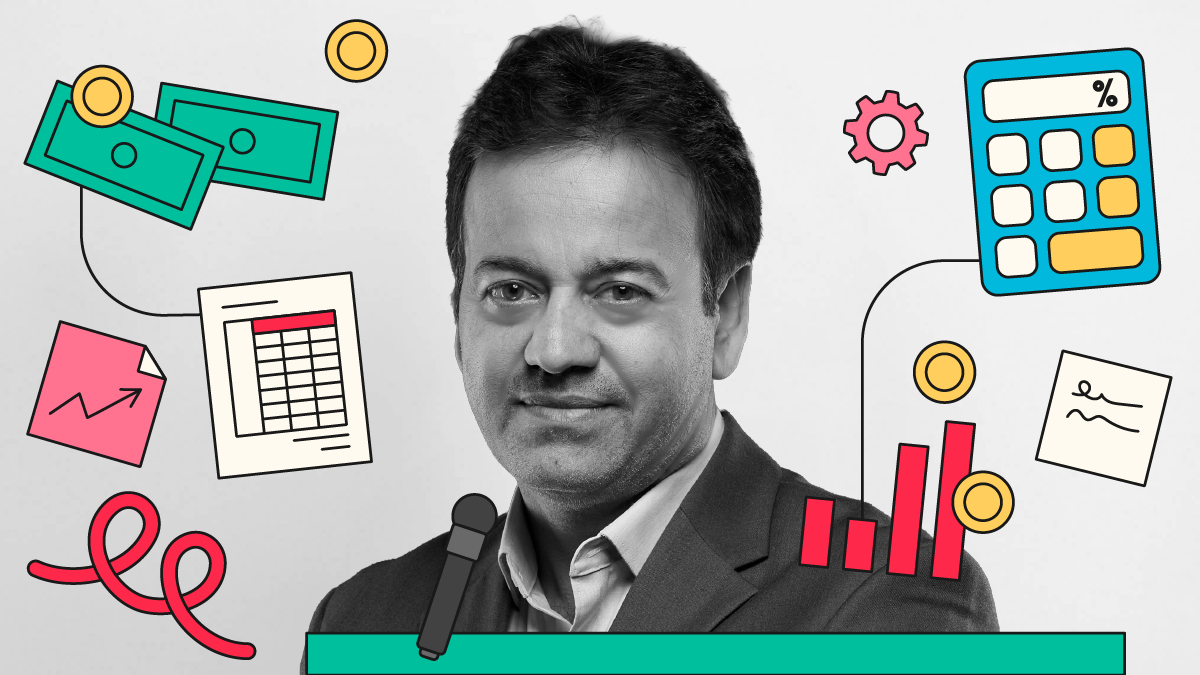
Intekhab Nazeer is the CFO of Lineaje, a software supply chain security company. With more than 20 years of finance and accounting experience, he has held leadership roles across several technology companies, including WekaIO, where he helped secure more than $300 million in funding and support significant revenue growth.
In this conversation, he discusses the role of mentorship in his career, the evolving responsibilities of modern CFOs, and how AI is reshaping finance and software security.
How did you become a CFO?
I started my career as an accounting manager before moving into roles as a director of accounting and corporate controller. Early on, a CFO I worked for gave me exposure beyond traditional finance by involving me in go-to-market discussions and broader business decisions.
That experience helped me understand how companies create value, not just how they report it. When he left for a larger organization, I stepped into the acting CFO role and applied what I had learned about strategy, financial discipline, and leadership.
What skills or traits does a good finance leader need?
A strong finance leader needs more than technical expertise. Business curiosity is essential because CFOs need to understand how the company creates value. They also need to turn data into decisions, helping leadership focus on the metrics that matter most.
Communication and influence are equally important, as CFOs must align stakeholders around a shared understanding of the business. Above all, they need sound judgment, especially when making decisions with incomplete information.
What excites you most about your current role?
One of the most exciting things happening at Lineaje is the launch of a major AI-focused product.
More broadly, I am excited by how rapidly the finance function is evolving. With better data visibility and AI-powered tools, finance teams can move beyond historical reporting and become real-time decision partners for the business.
Finance leaders can now help organizations identify opportunities and risks much earlier than before.
I also enjoy building organizations. A company can have a great strategy, but without strong processes and strong teams, execution becomes difficult. Building teams and systems that support both today’s business and future growth is something I find particularly rewarding.
What attracted you to join a company focused on software supply chain security?
What interested me most was the challenge of solving emerging risks associated with AI.
AI has become deeply embedded throughout the software development lifecycle. It is being used to write code, test software, and support deployment. At the same time, it introduces new risks around vulnerabilities, data exposure, and malicious activity.
Lineaje is focused on helping organizations understand and secure their software supply chains. The opportunity to help solve these evolving security challenges was particularly compelling to me.
You helped raise more than $300 million and scale ARR significantly at WekaIO. What financial lessons from that experience still shape how you operate today?
One of the biggest lessons I learned is that raising capital is not the hard part, deploying it effectively is. Every dollar should support the company’s strategic priorities.
I also learned the importance of building predictable revenue engines, with clear visibility into pipeline, sales efficiency, and retention. Finally, strong investor relationships depend on transparency around strategy, risks, and how capital is being used to create long-term value
Finance automation has been a major focus in your career. Where do you see the biggest opportunities for automation in modern finance teams?
The opportunities are significant. Automation can improve capital efficiency, while AI can enhance forecasting, automate routine processes, strengthen scenario planning, and deliver real time insights.
It will also reshape finance talent needs, requiring professionals to combine analytical skills, AI literacy, and sound judgment while working more closely across the business.
What single thing would make your job easier?
AI-driven decision intelligence.
Finance teams spend a tremendous amount of time gathering and validating data. As AI continues to automate those activities, insights can surface faster, and finance leaders can spend more time helping businesses make strategic decisions.
The goal is to turn large volumes of data into clear, real-time insights that help organizations move more quickly and confidently.
What has been your proudest achievement as CFO of Lineaje?
I have been with Lineaje for about a year, and what I am most proud of is helping build the foundation for its next phase of growth.
Over the past year, we have strengthened financial discipline, improved forecasting and visibility into key metrics, and aligned finance more closely with go-to-market and product teams. Those efforts may not be highly visible, but they create the foundation for more predictable growth.
What trends in enterprise security and software are most interesting to you right now?
Modern software is increasingly built using open source and third-party components, creating new security challenges around visibility and risk management. At the same time, AI is accelerating both threat detection and cyberattacks.
As a result, security must be built into infrastructure from the start, with organizations taking a more data-driven approach to evaluating risk and resilience.
What do you do outside of work to prevent burnout?
I am a musician and have played the harmonica since I was six years old. I have a YouTube channel with around 2,000 subscribers, and music has always been my stress reliever.
It gives me a creative outlet that is very different from my day-to-day work and helps me maintain balance.
What is currently inspiring you today and why?
I recently reread The Hard Thing About Hard Things by Ben Horowitz.
What I appreciate most about the book is that it captures the emotional reality of leadership. CFOs often find themselves at the center of difficult decisions involving cash management, pricing, growth, and organizational change.
One of the key lessons is that resilience matters as much as intelligence. Enduring companies are built by leaders who can navigate difficult situations and continue moving forward.
Intekhab Nazeer is the CFO of Lineaje, a software supply chain security company. With more than 20 years of finance and accounting experience, he has held leadership roles across several technology companies, including WekaIO, where he helped secure more than $300 million in funding and support significant revenue growth.
In this conversation, he discusses the role of mentorship in his career, the evolving responsibilities of modern CFOs, and how AI is reshaping finance and software security.